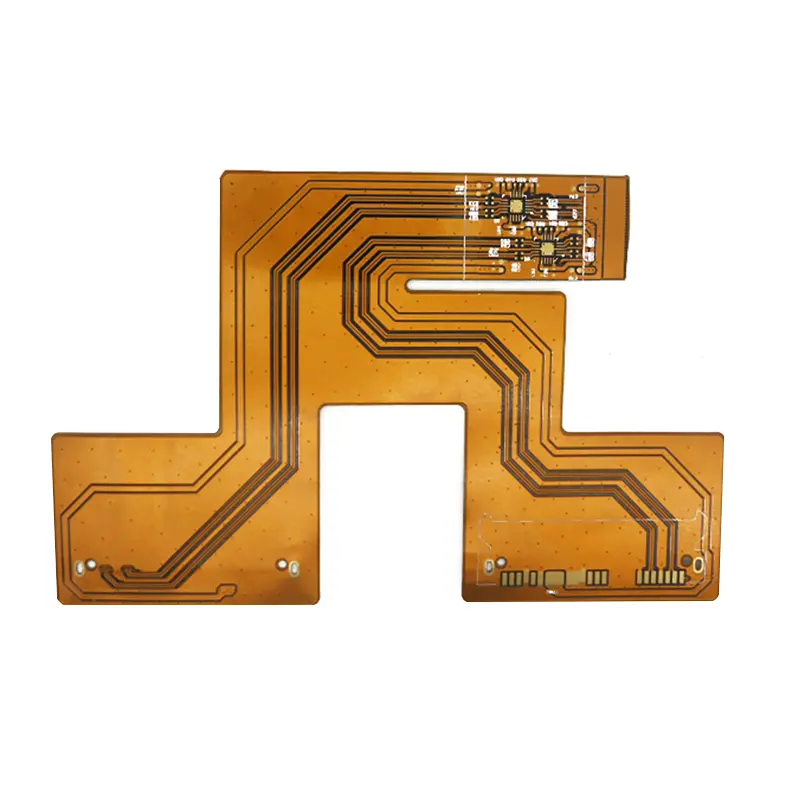
Engineering High-Density Flexible Circuits: A Technical Overview of Advanced Polyimide FPCs
In the rapidly evolving electronics industry, the demand for compact, reliable, and high-performance interconnect solutions is paramount. Flexible Printed Circuits (FPCs) have become a cornerstone technology, enabling innovation in applications from wearable medical devices to advanced automotive systems. This technical brief details the specifications of a high-end polyimide-based FPC, showcasing the manufacturing capabilities required for next-generation electronic design.
Core Material and Mechanical Properties
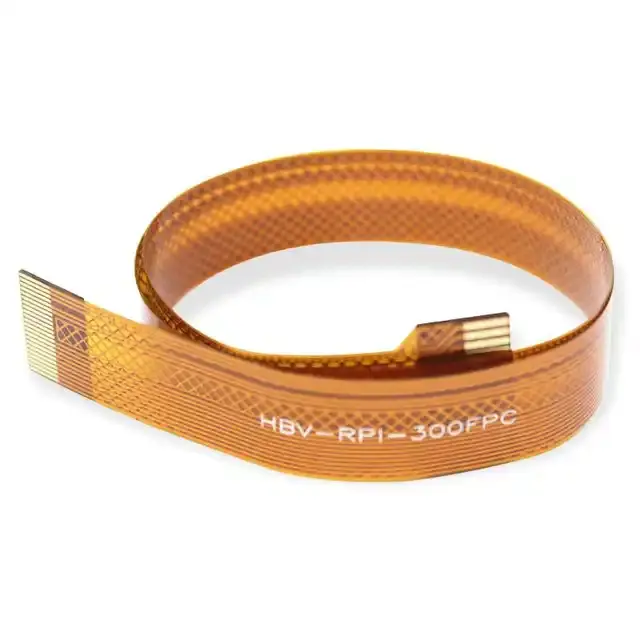
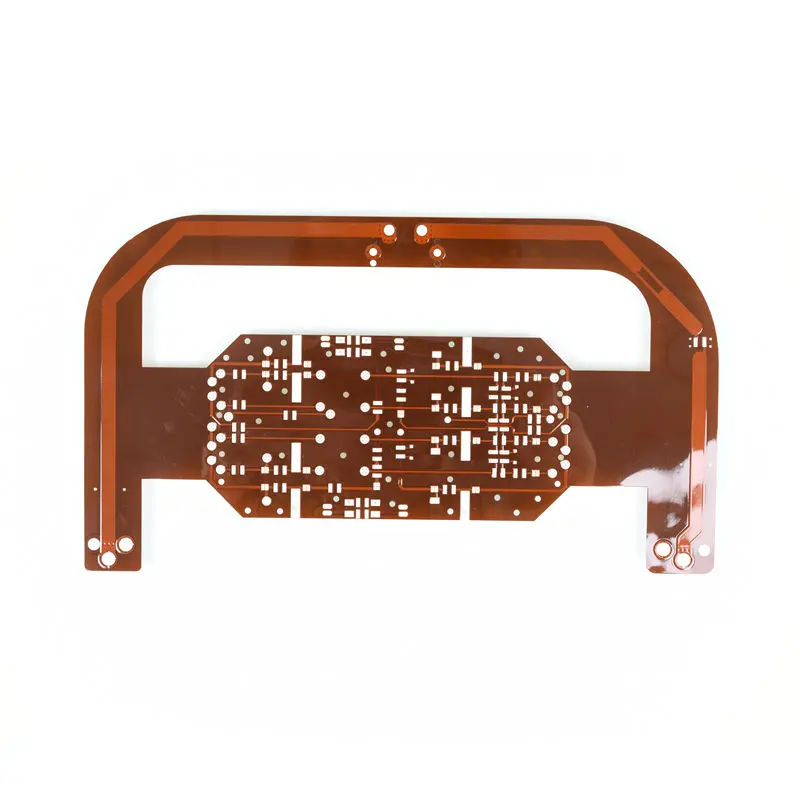
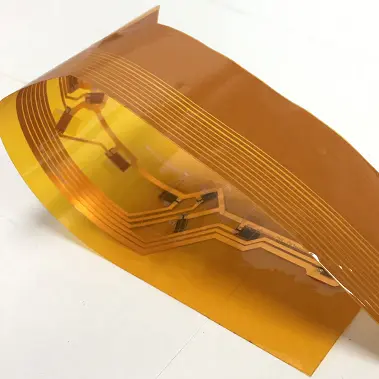
The foundation of this FPC's reliability is its polyimide substrate. Renowned for exceptional thermal stability, chemical resistance, and mechanical durability, polyimide ensures consistent performance under stress and across a wide temperature range. The board is offered in a standard panel size of 1000mm x 1000mm, optimizing manufacturing yield. Engineers can select a board thickness ranging from an ultra-thin 0.06 mm to a sturdier 0.7 mm, providing critical flexibility to meet specific mechanical and spatial constraints within an assembly.
Precision Circuitry and High-Density Interconnect (HDI) Capability
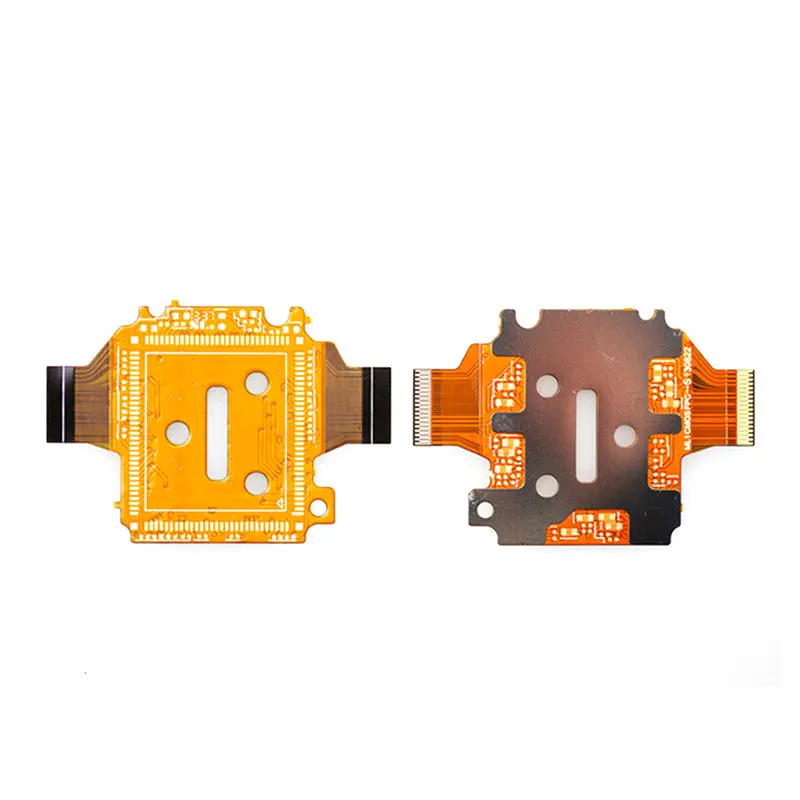
This circuit is designed for high-density applications where space is at a premium. The copper cladding is specified at 1/3 oz (approximately 12 μm), offering an optimal balance between current-carrying capacity and flexibility. The manufacturing process achieves exceptional precision, with a minimum line width and line spacing (clearance) of 0.075 mm. This capability supports complex circuit routing in extremely confined spaces. Additionally, the supported minimum drilled aperture of 0.1 mm allows for the creation of micro-vias, essential for sophisticated multi-layer FPC designs that require complex interconnection.
Surface Finish and Assembly Readiness
To ensure superior solderability and long-term reliability, the circuit features an ENIG (Electroless Nickel Immersion Gold) surface finish. This finish provides a flat, planar surface that is ideal for fine-pitch component attachment. The nickel layer acts as a robust diffusion barrier, while the thin gold layer offers excellent oxidation resistance, ensuring a reliable surface for both soldering and shelf storage prior to assembly.
Conclusion: Designed for Demanding Applications
"This combination of a high-performance polyimide substrate, ultra-fine line geometry, and a reliable ENIG surface finish results in a Flexible Printed Circuit suited for the most demanding environments. Brands like Androw, with manufacturing expertise in technologically advanced regions like Guangdong, China, are capable of producing such precision circuits. These specifications make this FPC an excellent choice for designers and engineers working in the medical, aerospace, consumer electronics, and automotive sectors, where performance, size, and weight are critical factors."
Copper Thickness: 1/3 oz (approx. 12 μm)
Minimum Aperture (Drilled Hole): 0.1 mm
Minimum Line Width: 0.075 mm
Minimum Line Spacing (Clearance): 0.075 mm
Surface Finish: ENIG (Electroless Nickel Immersion Gold)